Plunger Metering Pump
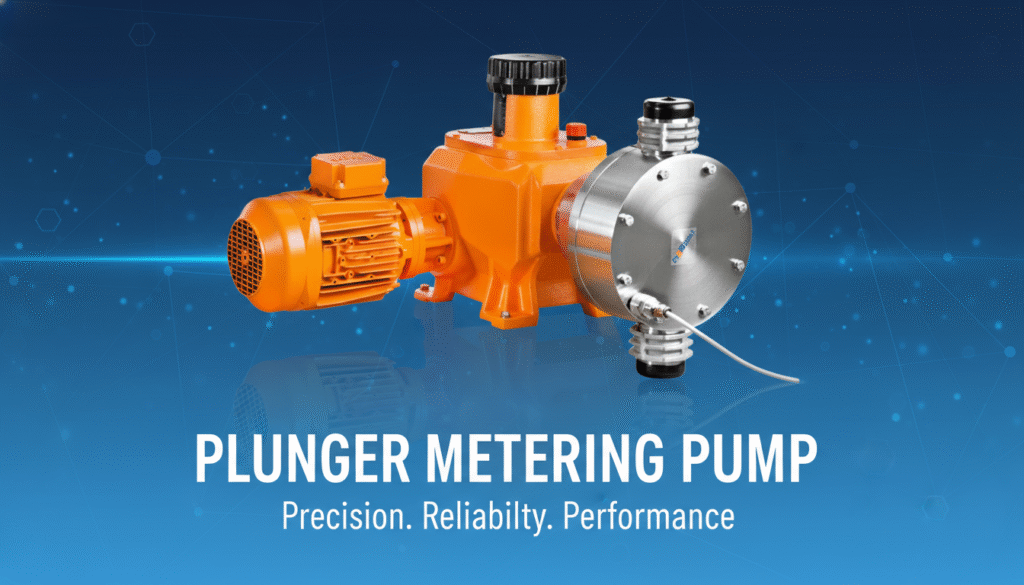
Welcome to JAMS – Your Trusted Industrial Pump & Engineering Partner in Pakistan. At JAMS, we specialize in delivering robust, high-precision pumping solutions designed for demanding industrial applications. Our Plunger Metering Pumps are engineered with exceptional accuracy, durability, and chemical-handling reliability—making them the top choice for industries that require consistent, controlled volumetric flow.
Dosing Pump for Chemicals
When it comes to handling corrosive, hazardous, or high-viscosity chemicals, accuracy and reliability are non-negotiable. JAMS offers chemical dosing pumps designed to deliver exact chemical quantities into systems, ensuring efficiency, safety, and performance across a wide range of industries.
Below is a comprehensive guide written for engineers, plant managers, procurement teams, and anyone searching for premium industrial dosing solutions.
What Is a Plunger Metering Pump?
A plunger metering pump (also known as a plunger dosing pump or reciprocating metering pump) is a positive displacement pump that uses a reciprocating plunger to move precise volumes of liquid with each stroke. It is widely used in chemical injection, water treatment, petrochemical processes, and industrial dosing applications.
These pumps are preferred for:
-
High-pressure chemical feeding
-
High-viscosity fluids
-
Accurate metering applications
-
Corrosive or abrasive chemicals
-
Continuous or intermittent dosing
The pump’s design ensures repeatability, accuracy, and stable flow, making it an essential tool in controlled chemical injection processes.
Why Choose a Plunger Metering Pump?
In the complex landscape of industrial fluid management, the plunger pump stands out for its robust construction and ability to handle extreme environments. Whether you are operating in the oil and gas sector, petrochemicals, or power generation, the need for a pump that can withstand high discharge pressures while maintaining a constant flow rate is critical.
-
High-Pressure Capability: Capable of operating at pressures that far exceed standard diaphragm pumps, often reaching up to several hundred bars.
-
Volumetric Accuracy: Delivers better than +/- 1% metering accuracy, ensuring your process recipes are adhered to strictly, reducing chemical wastage.
-
Robust Design: Constructed with high-grade materials like Stainless Steel (SS316), these pumps are engineered to resist wear and tear from abrasive fluids and harsh operating cycles.
-
Linear Flow Rates: The rigid characteristic curve of our plunger pumps means the flow rate remains linear and proportional to the stroke length, regardless of pressure fluctuations in the system.
Working Principle of Our Plunger Metering Pumps
The efficiency of the Jams (Pvt.) Ltd plunger metering range lies in its sophisticated yet reliable mechanics. The pump operates via a drive mechanism (motor) that moves the plunger back and forth.
-
Suction Stroke: As the plunger retracts, it creates a vacuum in the pump head, opening the suction valve and drawing the chemical or fluid into the chamber.
-
Discharge Stroke: As the plunger moves forward, the suction valve closes, and the pressure forces the discharge valve open, pushing the fluid out into the process line.
This reciprocating action is the heart of the “metering” capability. By adjusting the stroke length or the stroke frequency (via a Variable Frequency Drive), operators can fine-tune the dosing rate with pinpoint precision. This level of control is essential for processes like boiler feed water treatment, where exact amounts of scale inhibitors or oxygen scavengers must be injected against high boiler pressures.
Key Features of Jams (Pvt.) Ltd Plunger Pumps
-
Manual & Automatic Control: Options for manual micrometer stroke adjustment or fully automated electric actuators (4-20mA signal).
-
Leak-Free Packing: Advanced gland packing materials (PTFE/Graphite) to minimize leakage and ensure safe operation even with aggressive media.
-
API 675 Compliance: Our pumps are designed to meet rigorous international standards for positive displacement pumps.
-
Customizable Liquid Ends: Available in various metallurgies to suit specific chemical compatibility requirements.
Optimized Chemical Injection Solutions for Pakistani Industries
In every industrial process, from wastewater treatment in Karachi to textile manufacturing in Faisalabad and Lahore, the accurate addition of chemicals is vital. This is where the Dosing Pump for Chemicals becomes a critical asset. At Jams (Pvt.) Ltd, we offer a versatile range of chemical dosing pumps designed to handle everything from viscous polymers to volatile solvents with safety and efficiency.
A chemical dosing pump is not just a mover of fluids; it is a precision instrument. Its primary job is to inject a specific quantity of a chemical agent into a stream of water, gas, or steam. Over-dosing leads to chemical wastage and potential product contamination, while under-dosing can result in process failure. Our dosing pumps eliminate this risk, providing you with “set-and-forget” reliability.
Applications of Chemical Dosing Pumps
Our chemical dosing solutions are ubiquitous across Pakistan’s industrial landscape. We cater to a diverse clientele, ensuring that our pumps are tailored to the specific needs of each sector.
1. Water and Wastewater Treatment
This is perhaps the most common application. Our pumps are used for:
-
Chlorination: Dosing Sodium Hypochlorite for disinfection.
-
pH Adjustment: Injecting acids (Sulfuric/Hydrochloric) or alkalis (Caustic Soda) to neutralize wastewater.
-
Coagulation & Flocculation: Dosing Alum or Polymers to remove suspended solids.
2. Textile & Chemical Processing
Pakistan’s textile industry relies on consistent color and fabric quality. Our dosing pumps ensure:
-
Precise injection of dyes and bleaching agents.
-
Controlled dosing of peroxide and stabilizers.
3. Oil & Gas and Petrochemicals
In the harsh environments of oil fields and refineries, our pumps are used for:
-
Corrosion Inhibitors: Protecting pipelines from rust.
-
Methanol Injection: Preventing hydrate formation in gas lines.
-
Demulsifiers: Separating water from crude oil.
4. Food & Beverage Industry
Hygiene and accuracy are paramount here. Our sanitary dosing pumps handle:
-
Flavorings and additives.
-
CIP (Clean-in-Place) chemicals for sanitization.
Choosing the Right Dosing Pump
Selecting the correct dosing pump depends on several factors, including the chemical’s viscosity, corrosiveness, and the required flow rate. Jams (Pvt.) Ltd experts guide you through this selection process.
-
Solenoid Driven vs. Motor Driven: For smaller, low-pressure applications, solenoid pumps offer a cost-effective solution. For higher capacities and continuous industrial duty, our motor-driven pumps (including plunger and diaphragm types) are recommended.
-
Material Compatibility: We ensure the “wetted parts” (Pump Head, Valves, Seals) are compatible with your chemicals. We offer liquid ends in PVDF, PVC, PP, SS316, and Hastelloy.
-
Control Mechanisms: Modern industries demand integration. Our pumps can be linked to pH controllers, flow meters (like our VX 570 or VA 500), and PLC systems for closed-loop control.
The Jams (Pvt.) Ltd Advantage
Why do engineering managers and plant operators across Pakistan trust Jams (Pvt.) Ltd?
-
Comprehensive Solutions Under One Roof: We don’t just sell a box; we sell a solution. From the initial calculation of required pressure and flow to the installation and after-sales support, we are with you every step of the way.
-
Technical Expertise: Our team understands the nuances of Fluid Dynamics. We know that pumping sulfuric acid requires different considerations than pumping clean water. We leverage this knowledge to prevent pump failure and ensure longevity.
-
Stock & Spares: We maintain an inventory of critical spares, ensuring that your production line never stops due to a minor part failure.
Maintenance and Durability
A Dosing Pump for Chemicals is an investment. To maximize its lifespan, proper maintenance is key. Our pumps are designed for “low maintenance,” but we also educate our clients on best practices:
-
Regular Calibration: Ensuring the pump is delivering the exact volume set on the dial.
-
Suction Line Care: Using foot valves and strainers to prevent debris from damaging the pump head.
-
Oil Changes: For motor-driven gearboxes, regular oil changes ensure smooth operation.
Partner with Us for Industrial Excellence
At Jams (Pvt.) Ltd, our mission is to drive industrial prosperity through innovative solutions. Whether you need a rugged Plunger Metering Pump for high-pressure boiler feeding or a precise Dosing Pump for Chemicals for your effluent treatment plant, we have the technology and the expertise.
Don’t compromise on quality when it comes to your critical process control. Trust the experts who understand flow.

Frequently Asked Questions (FAQs)
1. What is the main difference between a Plunger Metering Pump and a Diaphragm Pump?
The primary difference lies in the mechanism and pressure capability. A Plunger Metering Pump uses a direct-acting plunger to push fluid, allowing it to handle significantly higher discharge pressures, making it ideal for heavy-duty industrial applications like boiler feeding or oil and gas injection. A diaphragm pump uses a flexible membrane, which is better suited for leak-free handling of hazardous fluids at lower to medium pressures. At Jams (Pvt.) Ltd, we can help you decide which technology suits your specific pressure and flow requirements.
2. Can your Chemical Dosing Pumps handle corrosive or abrasive fluids?
Yes, absolutely. Our Chemical Dosing Pumps are engineered with high-grade “wetted parts” to resist corrosion and abrasion. Depending on the chemical you are using (such as Sulfuric Acid, Caustic Soda, or Chlorine), we customize the liquid end materials using Stainless Steel (SS316), PVDF, PVC, or Hastelloy. This ensures long operational life and prevents chemical attacks on the pump components.
3. Do you provide installation support and spare parts in Pakistan?
Yes, Jams (Pvt.) Ltd is a full-service engineering house. We don’t just supply the pumps; we provide comprehensive after-sales support, including installation guidance and troubleshooting. We maintain a stock of essential spare parts at our Lahore and Karachi offices to ensure minimal downtime for our clients across Pakistan.
4. How do I control the flow rate of the dosing pump?
Our pumps offer flexible control options to suit your process automation needs. You can adjust the flow rate manually via a micrometer dial on the pump. For automated systems, we offer pumps compatible with Variable Frequency Drives (VFDs) or electric actuators that respond to a 4-20mA signal, allowing for precise remote control and integration with your plant’s PLC or SCADA system.
5. How do I select the right capacity (LPH) for my application?
Selecting the right capacity depends on your required dosage rate and system pressure. It is generally recommended to size the pump so that your normal operating flow lies between 30% and 80% of the pump’s maximum capacity. Our technical team at Jams (Pvt.) Ltd can perform the necessary calculations for you—simply contact us with your process parameters, and we will recommend the optimal model.