Why choose a plunger metering pump
In oil and gas, petrochemicals, and power generation, you need a pump that holds constant flow against extreme discharge pressure. Plunger pumps are built for that duty.
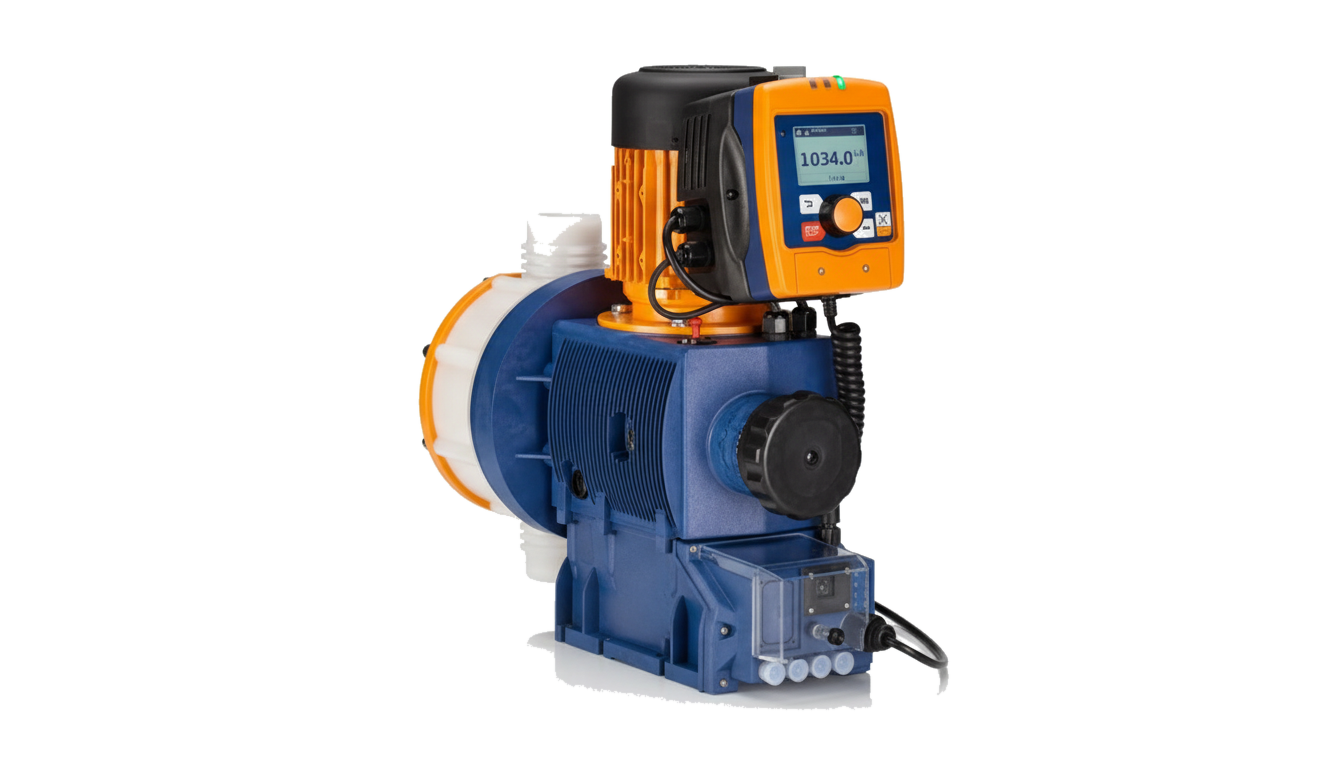
They deliver high-pressure capability often far above standard diaphragm pumps, volumetric accuracy better than +/- 1%, robust SS316 and specialty liquid ends for abrasive or harsh cycles, and a linear flow curve proportional to stroke length even when system pressure fluctuates.
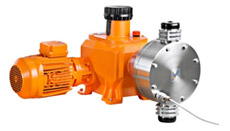
How plunger metering pumps work
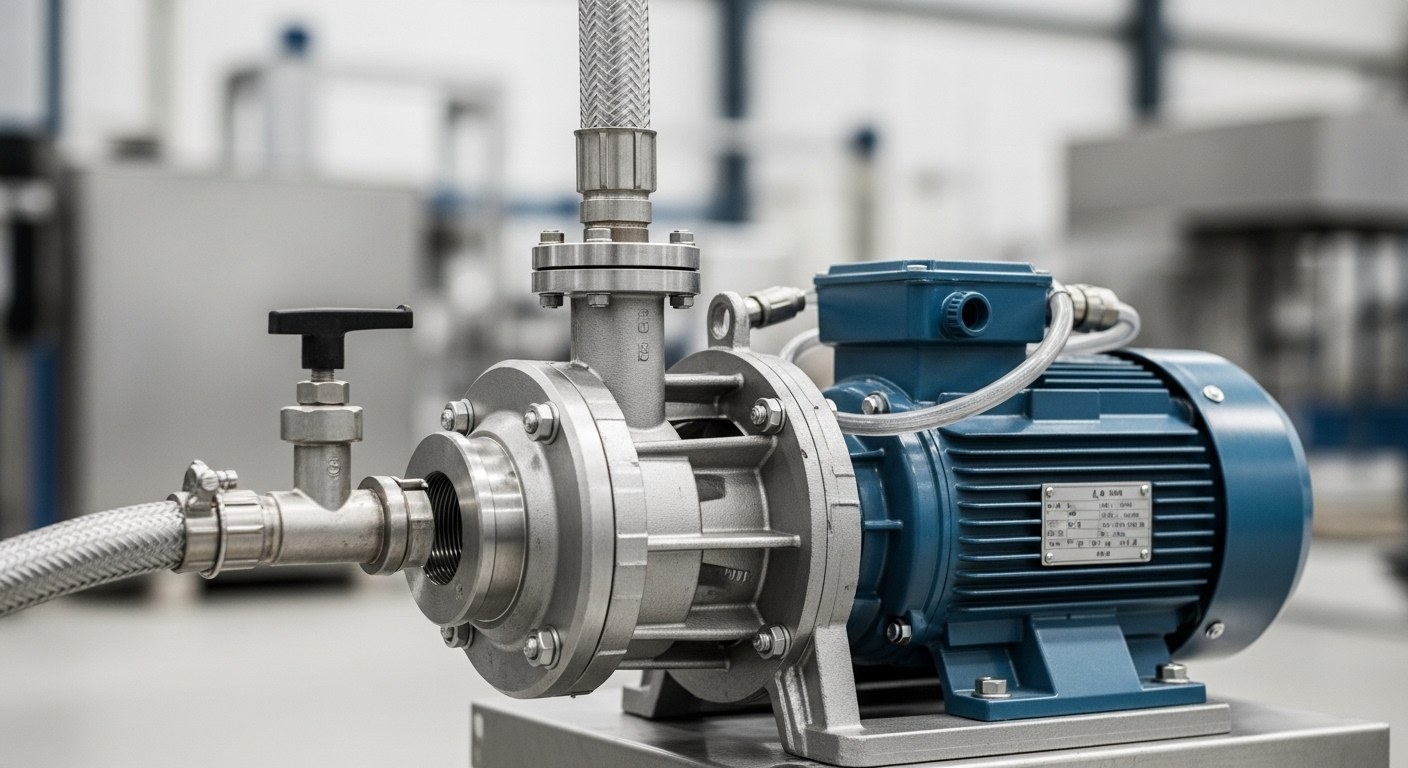
A motor drive moves the plunger back and forth. On the suction stroke the plunger retracts, opens the suction valve, and draws fluid into the chamber. On the discharge stroke the plunger advances, closes suction, opens discharge, and pushes fluid into the process line.
Stroke length or stroke frequency (via VFD) sets the dose with fine control. That precision matters for boiler feed treatment, where scale inhibitors or oxygen scavengers must inject against high boiler pressures.
Key features of Jams plunger pumps
Manual micrometer stroke adjustment or automated electric actuators (4-20 mA) support both operator and PLC control. Advanced PTFE/graphite gland packing helps keep aggressive media contained. Designs align with rigorous positive-displacement standards, and liquid ends are customizable for chemical compatibility.
Chemical injection for Pakistani industries
From wastewater treatment in Karachi to textile plants in Faisalabad and Lahore, exact chemical addition protects product quality and compliance. Over-dosing wastes chemical and risks contamination; under-dosing fails the process. A correctly specified dosing pump removes that guesswork.
Water treatment uses include chlorination, pH adjustment with acids or caustic, and polymer/alum flocculation. Textiles need precise dyes, bleach, peroxide, and stabilizers. Oil and gas rely on corrosion inhibitors, methanol injection, and demulsifiers. Food and beverage use sanitary dosing for additives and CIP chemicals.
Choosing the right dosing pump
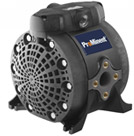
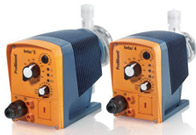
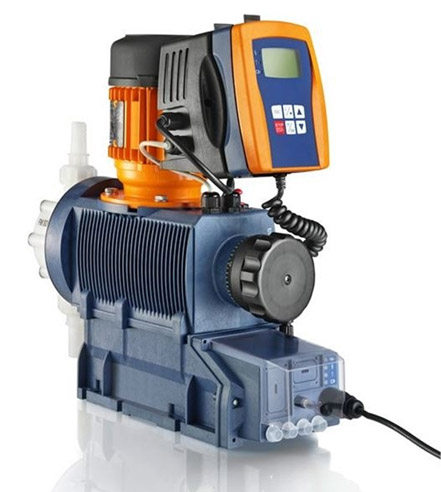
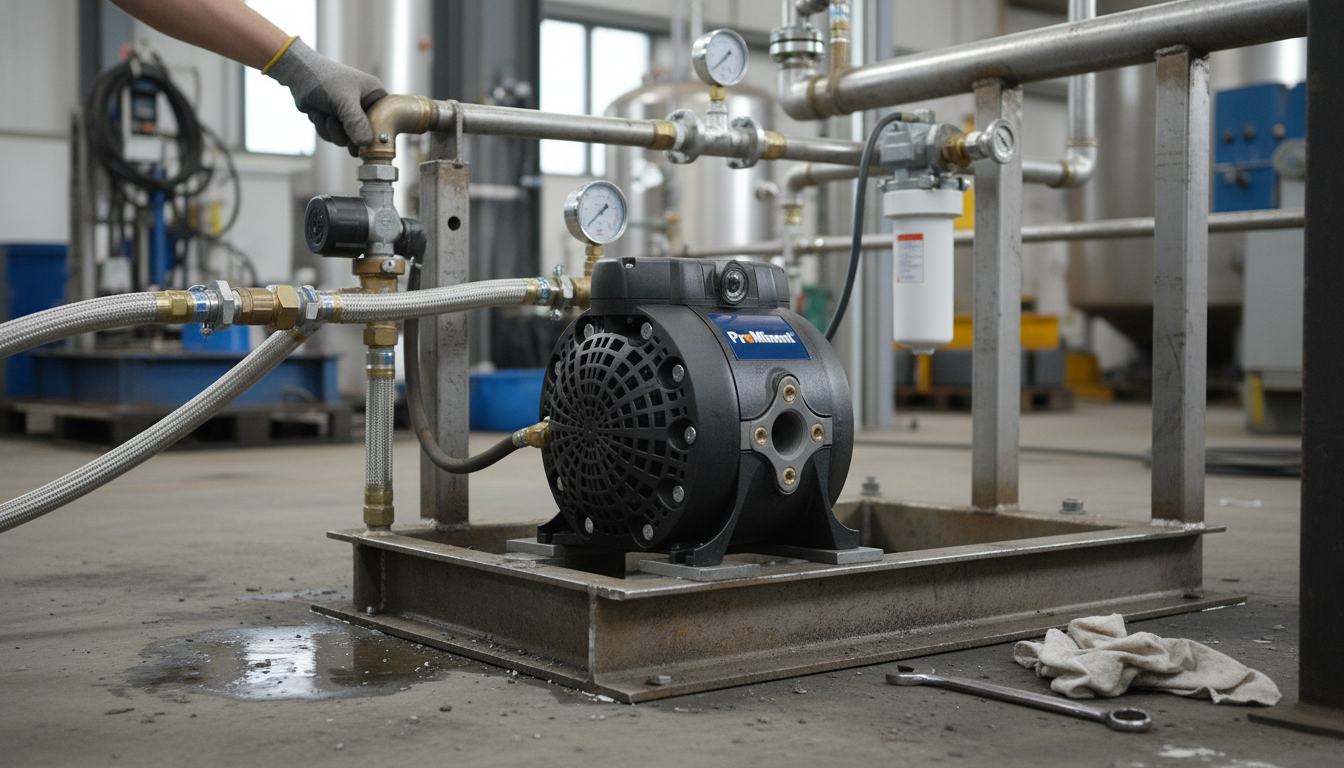
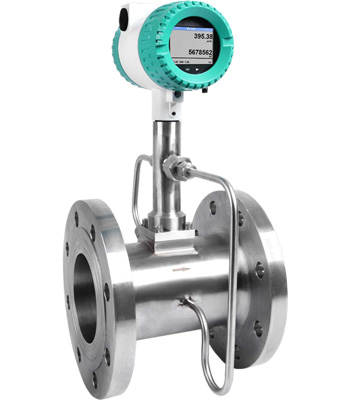
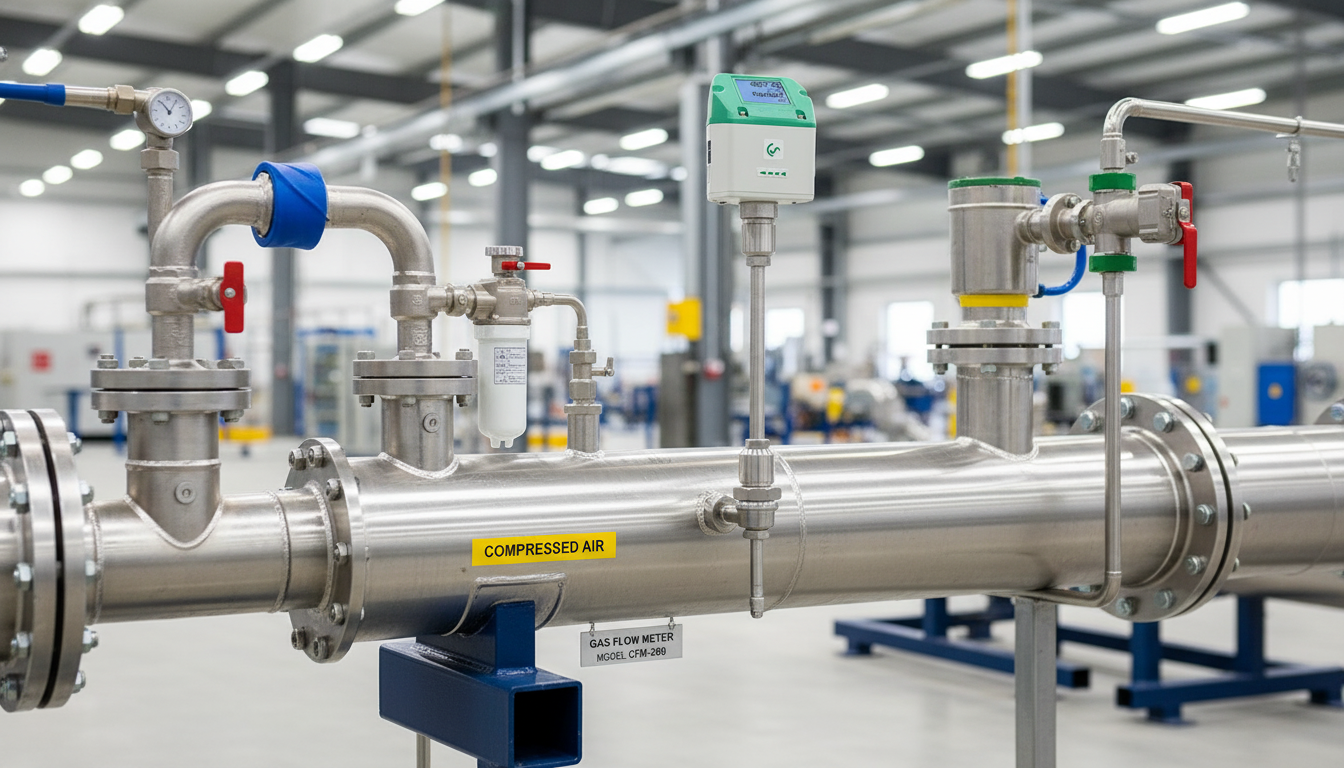
Selection depends on viscosity, corrosiveness, flow rate, and pressure. Solenoid pumps suit smaller low-pressure duties; motor-driven plunger and diaphragm units fit higher capacity and continuous industrial service. Wetted parts in PVDF, PVC, PP, SS316, or Hastelloy must match your chemical. Modern plants also link pumps to pH controllers, flow meters such as VX 570 or VA 500, and PLC closed-loop control.